Optimal Timing for Fire Pit Installations
Determining the optimal time for fire pit installations depends on various factors, including climate, weather conditions, and project complexity. Generally, early spring and late fall are considered ideal periods due to milder temperatures and lower demand. Installing during these seasons allows for better site preparation and curing times, ensuring a durable and safe fire feature.
Spring offers moderate weather, making site work more manageable. It also provides ample time for curing before peak usage seasons.
Fall installations can be completed before the winter months, allowing for early use and enjoyment during the next season.
While possible, summer installations may face challenges due to higher temperatures and increased demand, potentially leading to scheduling delays.
Winter is generally less suitable due to cold weather, frozen ground, and limited accessibility, which can hinder construction and curing processes.
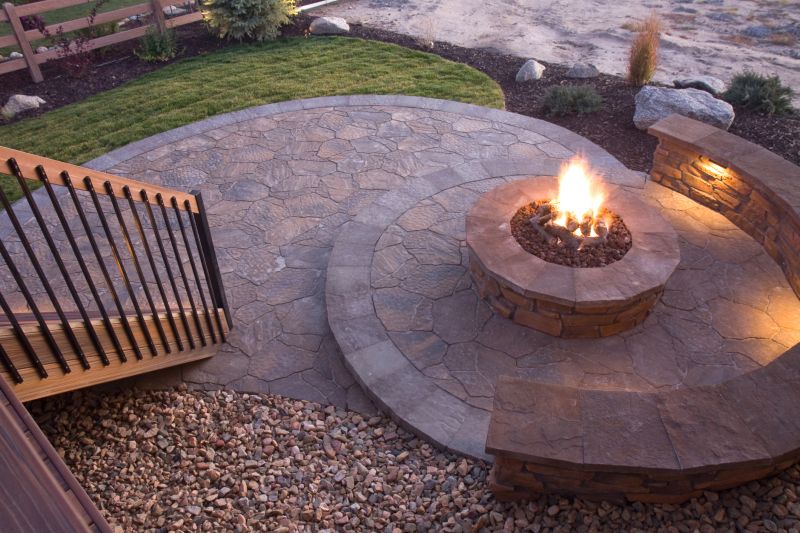
Spring installations benefit from moderate temperatures and longer daylight hours.

Fall allows for completion before winter, ensuring readiness for seasonal use.
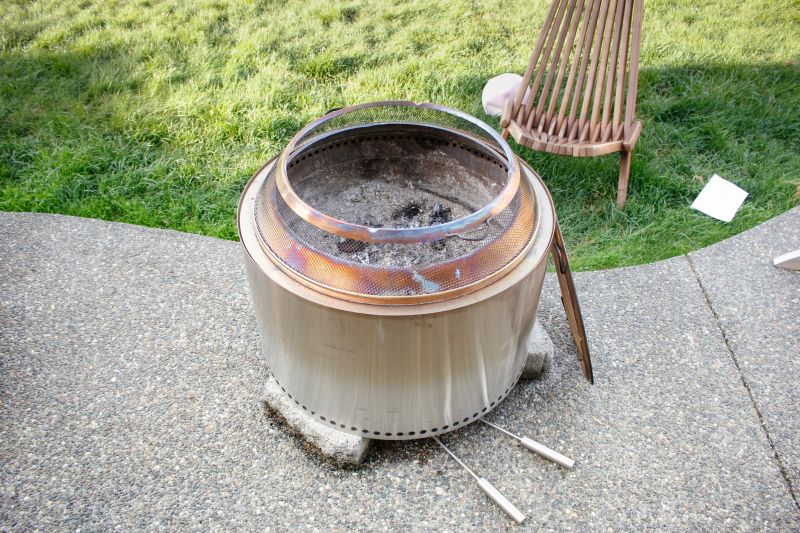
Summer offers longer days but may require scheduling around higher temperatures.
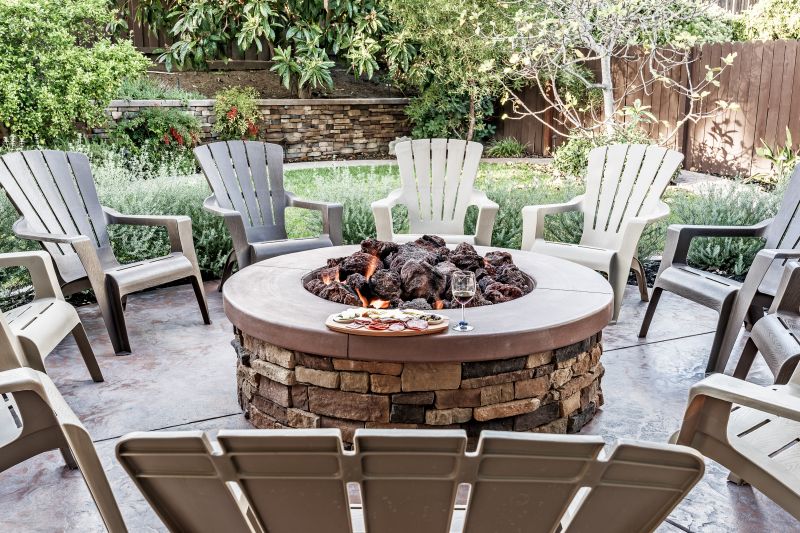
Ways to make Fire Pit Installations work in tight or awkward layouts.
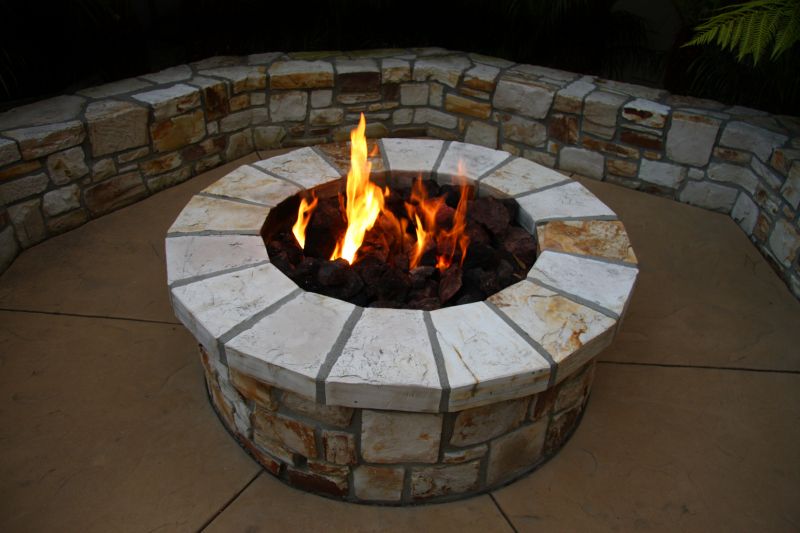
Popular materials for Fire Pit Installations and why they hold up over time.
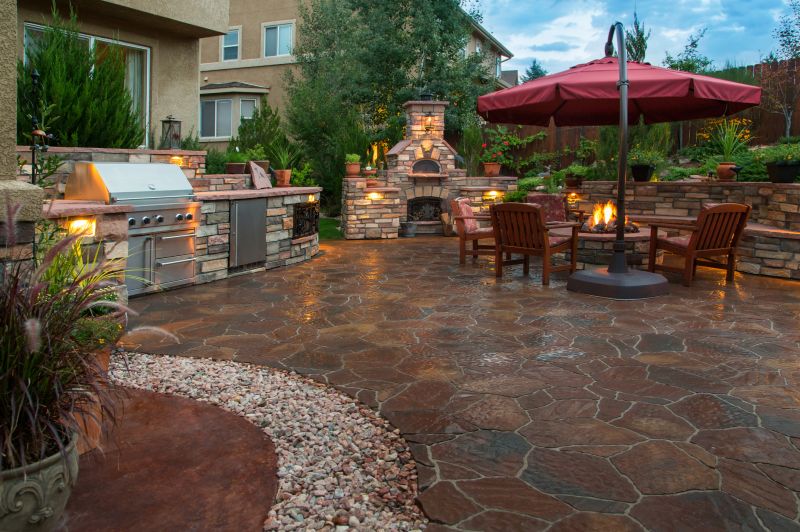
Simple add-ons that improve Fire Pit Installations without blowing the budget.
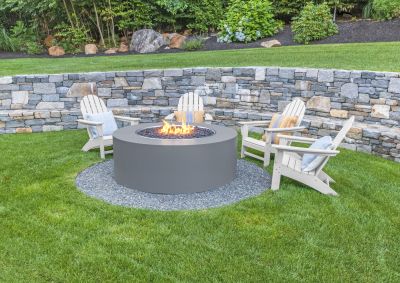
High-end options that actually feel worth it for Fire Pit Installations.
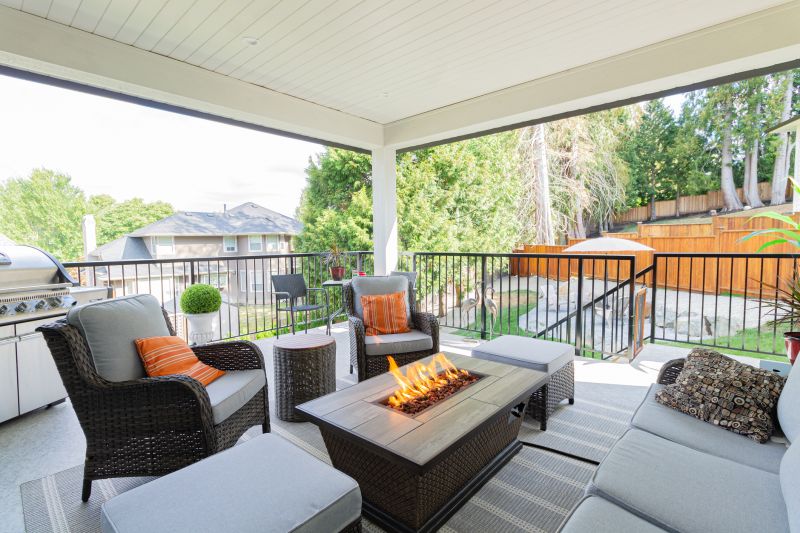
Finishes and colors that play nicely with Fire Pit Installations.
| Season | Ideal for | Considerations |
|---|---|---|
| Spring | Early planning and installation | Weather is mild; allows curing time before summer |
| Summer | Limited projects | High temperatures may cause delays |
| Fall | Preparation for winter use | Weather is cooler; good for curing |
| Winter | Not recommended | Cold and frozen ground hinder installation |
Fire pit installations involve site preparation, foundation work, and careful placement to ensure safety and longevity. Proper planning during suitable seasons can lead to smoother construction and better results. Weather conditions significantly influence the ease of installation and the durability of the finished feature. Installing during optimal periods reduces the risk of delays and allows for proper curing of materials, especially in colder climates.
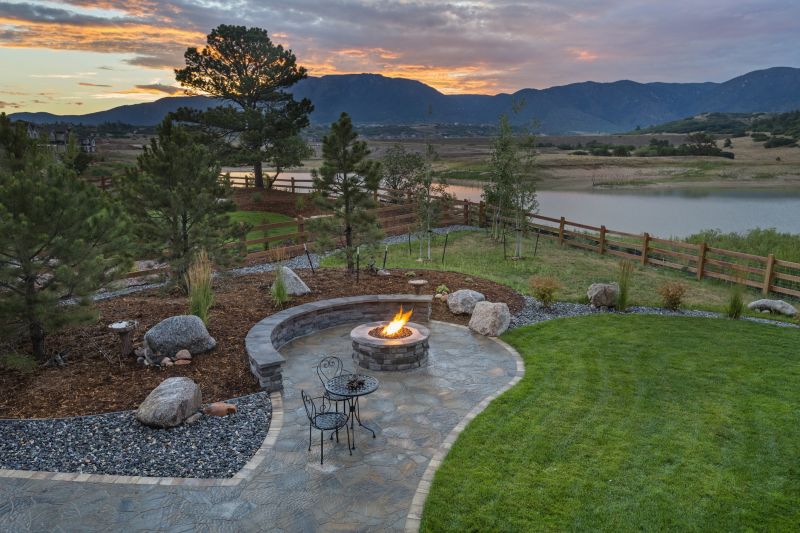
A well-placed fire pit ready for seasonal use.
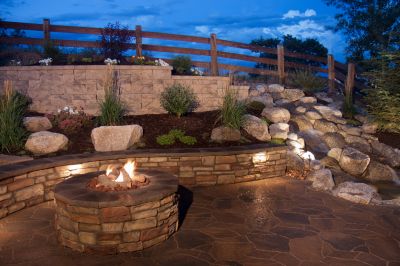
Preparation of the site during autumn weather.
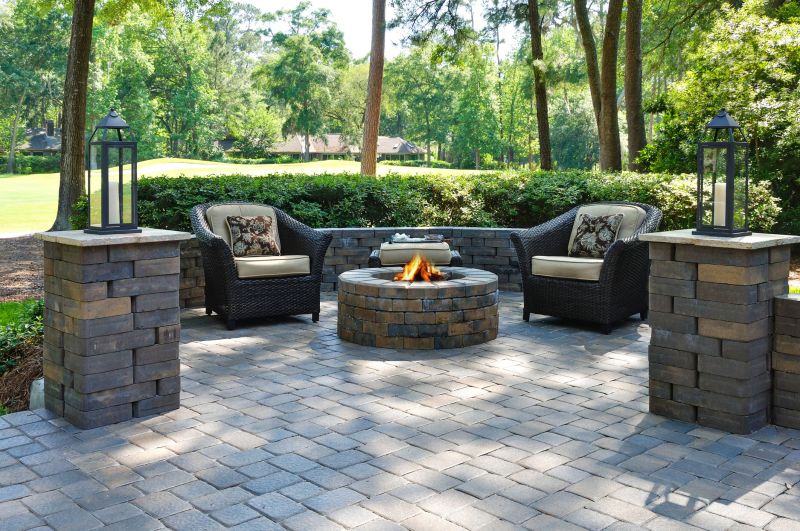
Site work in progress during warm months.
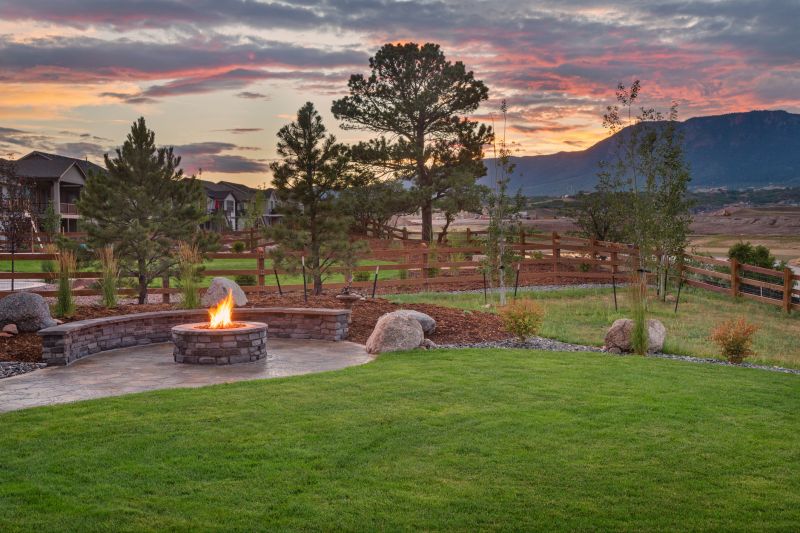
Limited activity due to weather constraints.
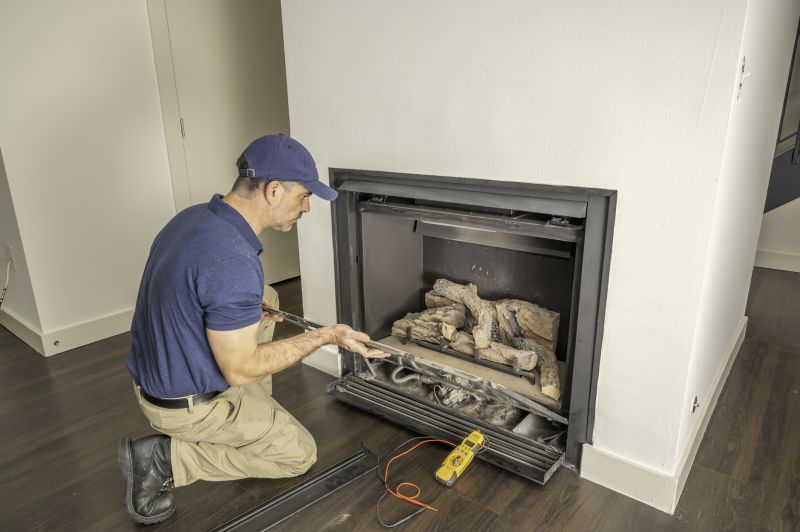
Little measurements that prevent headaches on Fire Pit Installations day.
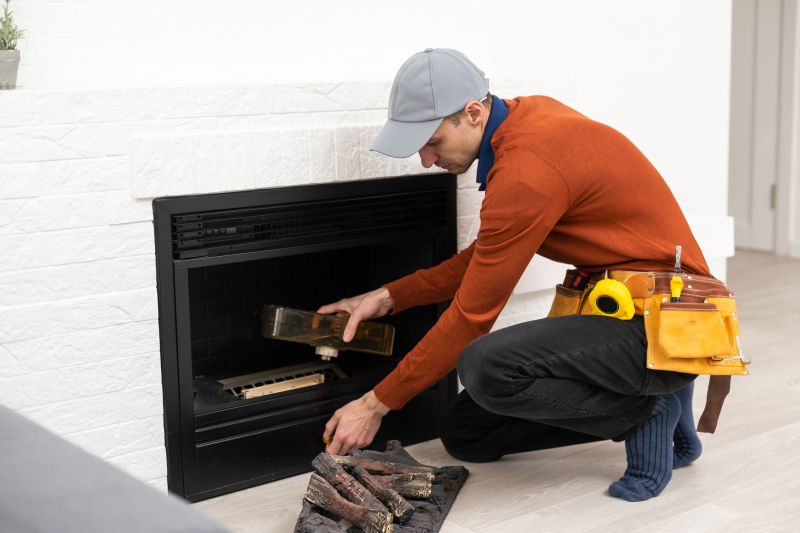
A 60-second routine that keeps Fire Pit Installations looking new.
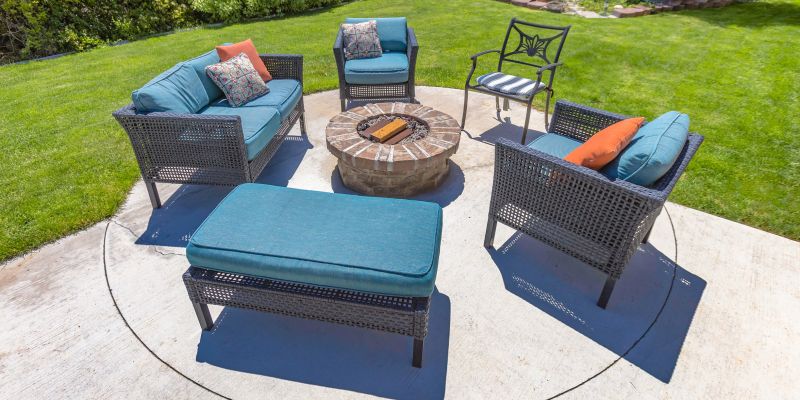
A frequent mistake in Fire Pit Installations and how to dodge it.
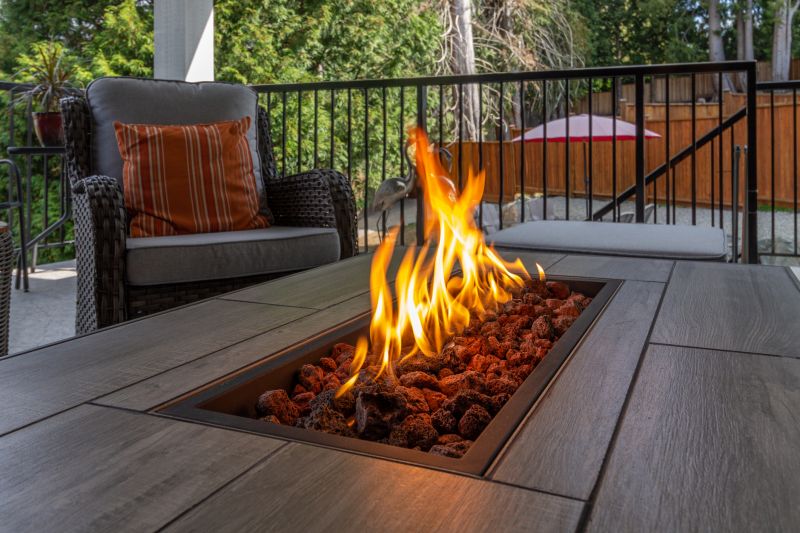
Small tweaks to make Fire Pit Installations safer and easier to use.
Interested in fire pit installations? Filling out the contact form can provide more information and assistance in planning the optimal timing for a new fire feature. Proper scheduling ensures a successful project that meets safety and aesthetic goals.