How the Paver Installation Process Works Step-by-Step
People searching for how the paver installation process works step-by-step are often looking to understand the project and find local contractors who can expertly handle each stage of the job.
Understanding how the paver installation process works step-by-step can help property owners make informed decisions when planning outdoor improvements. Whether preparing a new walkway, patio, or driveway, knowing what to expect ensures the project runs smoothly and aligns with personal goals. For those in the area considering this type of work, exploring the typical installation stages can clarify what services local contractors provide and how they can assist in achieving a durable, attractive result.
Property owners often seek this information to better coordinate their outdoor projects and ensure quality craftsmanship. By learning about each phase of the paver installation process, from site preparation to finishing touches, homeowners can better communicate their needs and expectations with trusted service providers. Continuing to read can reveal how local professionals handle each step, providing practical support and expertise to bring outdoor spaces to life with confidence.
- Patio or walkway installation - when homeowners want to enhance outdoor spaces, local contractors follow a step-by-step process to ensure proper base preparation and precise paving.
- Driveway paving projects - for those seeking durable and attractive driveways, local service providers carefully plan and execute each phase of the paver installation process.
- Pool deck or outdoor living area upgrades - when upgrading or expanding outdoor living spaces, local pros handle the detailed installation process to achieve a seamless finish.
- Commercial paving jobs - businesses requiring paved surfaces for parking lots or pathways rely on local contractors to manage each step efficiently and accurately.
- Repair or replacement of existing pavers - property owners needing to restore or replace pavers depend on local pros to assess the site and perform the installation process correctly.
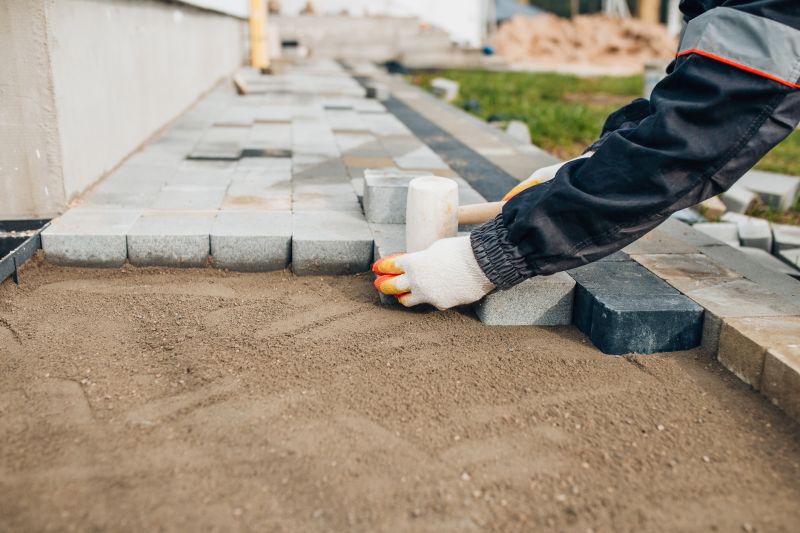
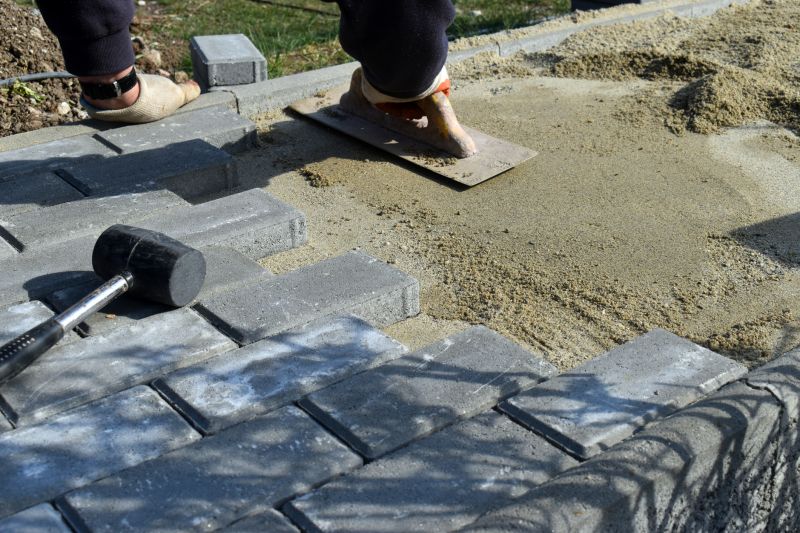
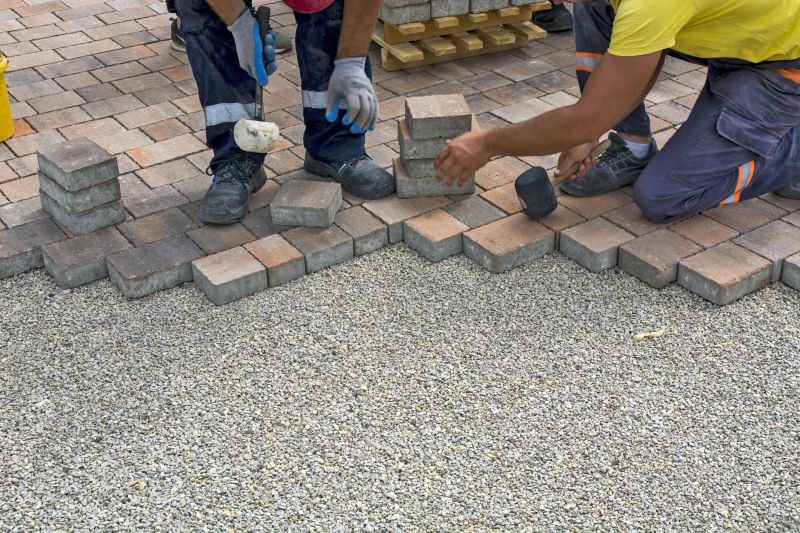
When searching for information about how the paver installation process works step-by-step, homeowners are often seeking a clear understanding of what to expect when planning to add or upgrade outdoor surfaces. This topic is commonly related to projects such as creating a new driveway, patio, walkway, or pool surround. Many property owners want to know the sequence of tasks involved, the typical timeline, and the level of effort required. Understanding this process helps them coordinate their plans, prepare for the work, and choose qualified local contractors who can handle each phase efficiently.
The paver installation process is closely connected to various property improvement goals. Homeowners might be addressing issues like uneven or damaged surfaces, or they could be pursuing aesthetic upgrades to increase curb appeal. Problems such as poor drainage, shifting ground, or cracking concrete often lead property owners to consider paver solutions. These projects are applicable to residential homes, commercial properties, and community spaces alike. The process involves careful planning to ensure the finished surface is durable, visually appealing, and properly integrated into the existing landscape.
Different types of properties typically come up when exploring how the paver installation process works step-by-step. Residential properties with yards, gardens, or driveways are common examples, as are commercial sites like storefronts and parking lots. The landscape and soil conditions of each property influence the specific steps and techniques used by local service providers. For example, a backyard patio may require a different approach compared to a large, multi-level driveway. Local pros are experienced in assessing these factors and customizing the installation process to fit each property’s unique requirements.
Understanding how the paver installation process works step-by-step helps homeowners see how local contractors fit into their projects. These professionals handle everything from initial site assessment and preparation to the final finishing touches. They ensure proper foundation work, accurate laying of pavers, and appropriate jointing and sealing. By working with experienced local service providers, property owners can be confident that each phase of the project is managed competently, leading to a durable and attractive finished surface. This knowledge empowers homeowners to make informed decisions and select the right experts for their specific needs.
Concrete Paving Projects - professionals skilled in preparing subgrades and laying durable surfaces, similar to paver installation planning and execution.
Flagstone Patios - require precise leveling and jointing techniques akin to those used in paver installation processes.
Driveway Resurfacing - involves surface preparation and layering that parallels the steps involved in paver driveway installation.
Brick Walkways - demand careful planning and base work similar to the foundational steps of paver installation projects.
Outdoor Kitchen Installations - often incorporate paving elements that require detailed layout and placement skills comparable to paver work.
Landscape Edging Projects - involve precise placement and leveling, sharing techniques with the paver installation process.
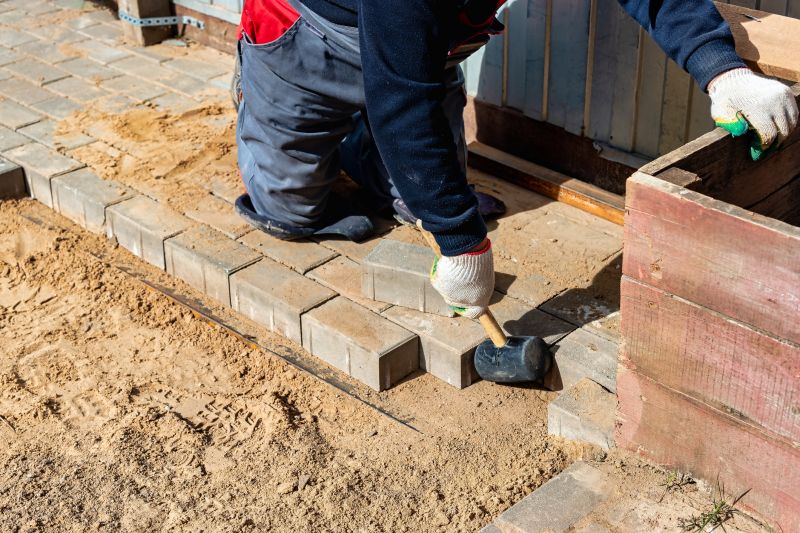
When comparing service providers for paver installation, it’s important to consider their experience with similar projects. Homeowners should look for local contractors who have a proven track record of completing paver installations comparable in scope and style. An experienced professional is more likely to understand the nuances of the process, such as proper base preparation and pattern layout, which can influence the durability and appearance of the finished project. Asking for examples of past work or references related to similar installations can provide insight into their expertise and help ensure the chosen contractor is well-versed in the specific steps involved in the paver installation process.
Clear, written expectations are essential when evaluating potential service providers. Homeowners should seek detailed proposals that outline each phase of the paver installation process, including preparation, base installation, paver placement, and finishing touches. This transparency helps prevent misunderstandings and provides a benchmark for what will be delivered. Reputable local contractors are typically willing to provide written descriptions of their work scope, ensuring that homeowners understand what to expect at each stage and can compare services effectively. Having these expectations documented also makes it easier to address any questions or concerns before work begins.
Reputable references and strong communication skills are key indicators of a reliable paver installation service provider. Homeowners should inquire about previous clients’ experiences, particularly those who had similar projects completed, to gauge satisfaction and the contractor’s professionalism. Good communication throughout the process ensures that questions are answered promptly and that any issues are addressed early. A service provider who maintains clear, consistent dialogue demonstrates their commitment to transparency and customer service, which can make the entire paver installation process smoother and more predictable for the homeowner.
Property owners often search for how the paver installation process works step-by-step when they are planning practical projects around their homes and businesses. Local pros provide Paver Installation Process services for everyday jobs and straightforward project options.
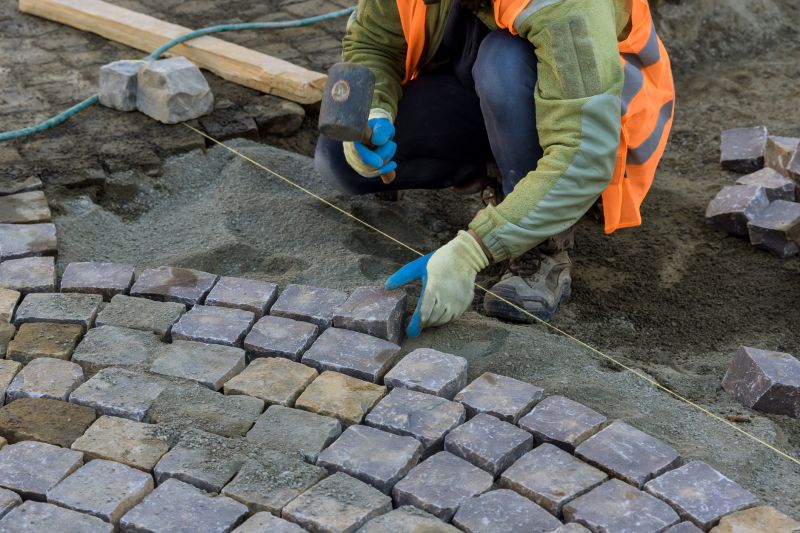
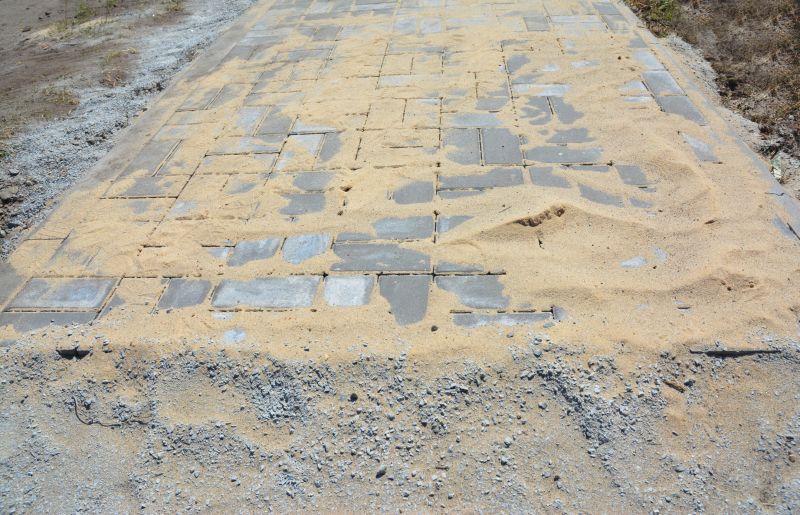
Understanding how the paver installation process works step-by-step can help property owners in the area plan for outdoor improvements such as patios, walkways, or driveways. Typically, local contractors begin by preparing the site, which involves clearing the area and ensuring a solid foundation. This initial phase is important to create a level surface and prevent shifting or settling over time. Once the groundwork is complete, the pros lay down a base layer of gravel or sand, which provides stability and proper drainage for the pavers. After the base is in place, the pavers are carefully installed in the desired pattern, with spacing and alignment checked along the way. Finally, a jointing material is swept into the gaps, and the entire surface may be compacted to ensure durability and a finished look.
For property owners considering paver projects, understanding this process highlights the importance of working with experienced service providers who can handle each step properly. Local contractors bring the necessary skills and tools to ensure the installation is done efficiently and correctly, helping to achieve a long-lasting, attractive result. Whether installing a new patio or updating an existing walkway, knowing how the process unfolds can make the experience smoother and more predictable, encouraging property owners to explore professional paver installation services available in the area.
What are the initial steps in the paver installation process? Local contractors typically start by assessing the site, measuring the area, and preparing the ground to ensure a stable foundation for the pavers.
How do contractors prepare the ground before laying pavers? They remove existing soil or debris, level the surface, and install a base layer of gravel or sand to provide proper support and drainage.
What is involved in laying the pavers during installation? Skilled service providers carefully place the pavers in the desired pattern, ensuring even spacing and alignment for a uniform appearance.
How do professionals finish the paver installation? They fill the joints with sand or polymeric material, compact the surface to secure the pavers, and perform a final check for levelness and stability.
Why is proper installation important for paver longevity? Proper installation by experienced contractors ensures the pavers remain stable, resist shifting, and maintain their appearance over time.
Understanding the planning phase - property owners can work with local contractors to determine the best layout and materials for their project.
Preparing the site properly - local pros assist with clearing, leveling, and excavating the area to ensure a solid foundation.
Selecting and laying pavers - property owners can choose from various styles, with local service providers handling precise placement.
Finishing touches and sealing - professionals can add edge restraints and sealers to enhance durability and appearance of the paved area.
If you are thinking about how the paver installation process works step-by-step for a property, this guide is meant to help you understand this topic, the typical project types, and how different options might fit your plans.
When you are ready, you can use the quote form on this page to share a few details about your project. From there, local pros can review the basics and follow up with options that match what you have in mind.